
Abstract
Bhai Mani Singh (1644–1738) occupies a distinguished place in Sikh history as a scholar, theologian, administrator, and martyr whose unwavering commitment to faith, truth, and service continues to inspire humanity. This article highlights his dedication to preserving authentic knowledge, moral courage in the face of persecution, servant leadership, uncompromising integrity, spiritual resilience, community unity, and building a legacy founded on character rather than material success. The discussion demonstrates how these values offer practical guidance for addressing modern challenges such as misinformation, ethical dilemmas, social polarization, leadership crises, mental health concerns, and the responsible use of emerging technologies. By connecting eighteenth-century Sikh history with twenty-first-century realities, the article argues that
Bhai Mani Singh's life provides a timeless ethical framework for promoting justice, resilience, responsible leadership, and compassionate service in an increasingly interconnected world.
Introduction
The life of Bhai Mani Singh (1644–1738) occupies a unique place in Sikh history [1-2]. A distinguished theologian, scholar, administrator, scribe, and martyr, he served under several Sikh Gurus and became one of the foremost custodians of Sikh learning after the passing of Guru Gobind Singh. Living during an era of intense Mughal persecution, he safeguarded Sikh scripture, strengthened the Panth, and ultimately embraced martyrdom rather than compromise his faith and principles. His life was not merely an account of personal devotion but a model of ethical leadership, intellectual excellence, and spiritual courage [3-8].
Although separated from us by nearly three centuries, the values embodied by Bhai Mani Singh remain remarkably relevant. In an age characterized by misinformation, ethical dilemmas, religious intolerance, social polarization, and rapid technological change, his life offers timeless guidance. The following seven lessons illustrate how his legacy continues to inspire individuals, communities, educational institutions, and global society.
1. Knowledge Must be Preserved, Shared, and Used Responsibly
Bhai Mani Singh devoted his life to preserving Sikh scripture with exceptional care and accuracy. As one of the principal scribes of the Guru Granth Sahib, he understood that preserving authentic knowledge was essential for protecting the spiritual identity of future generations. His scholarship was motivated not by personal recognition but by service to humanity.
The twenty-first century has become the age of information and, simultaneously, the age of misinformation. Artificial intelligence, social media, and digital platforms have made knowledge instantly accessible, but they have also enabled the rapid spread of false information, manipulated narratives, and fabricated content.
Bhai Mani Singh's commitment reminds us that knowledge carries ethical responsibilities. Scholars, educators, journalists, technologists, and AI developers must ensure that information remains accurate, transparent, and beneficial to society. His example also highlights the importance of preserving cultural heritage, endangered languages, manuscripts, and historical traditions in digital formats for future generations.
2. Courage Means Standing for Truth During Difficult Times
Following the passing of Guru Gobind Singh and the martyrdom of Banda Singh Bahadur, Sikhs experienced relentless persecution. Despite enormous personal risk, Bhai Mani Singh continued to lead religious services, educate Sikhs, and strengthen the community. Fear never dictated his decisions.
Today's challenges may not always involve physical persecution, but they frequently require moral courage. Individuals often face pressure to remain silent in the face of corruption, discrimination, misinformation, workplace misconduct, or human rights violations. Whistle-blowers, investigative journalists, ethical scientists, and human rights defenders often encounter similar tests of character.
Bhai Mani Singh teaches that genuine courage consists not merely in physical bravery but in the willingness to defend truth, justice, and conscience despite personal cost. His example encourages citizens to uphold ethical values even when doing so is unpopular or inconvenient.
3. Leadership is Measured by Service Rather Than Power
As Granthi of Harmandir Sahib, Bhai Mani Singh served the Sikh community with humility, wisdom, and compassion. His authority emerged from integrity, scholarship, and selfless service rather than political influence or personal ambition.
Many contemporary institutions face leadership crises marked by corruption, self-interest, and declining public trust. Bhai Mani Singh presents an alternative model based on servant leadership. Modern political leaders, business executives, university administrators, religious figures, and community organizers can learn that effective leadership depends upon accountability, empathy, transparency, and dedication to the common good. Organizations flourish when leaders prioritize service over status and responsibility over privilege.
4. Integrity is More Valuable Than Personal Gain
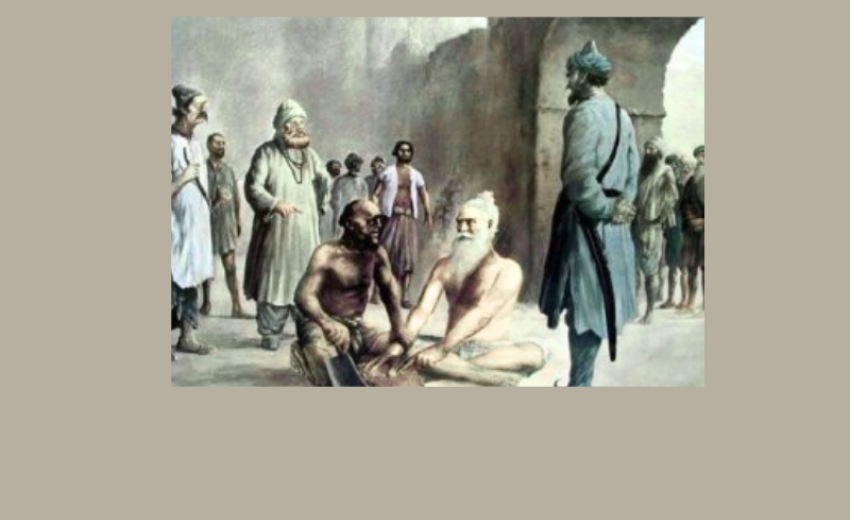
When arrested by Mughal authorities, Bhai Mani Singh was offered opportunities to avoid execution by abandoning his convictions. He refused every compromise and accepted martyrdom rather than betray his faith.
Modern society constantly presents ethical dilemmas that may not involve life and death but nevertheless test personal integrity. Professionals may face pressure to falsify research, manipulate financial records, accept corruption, misuse artificial intelligence, or compromise ethical standards for career advancement. Students encounter temptations toward plagiarism and other forms of academic dishonesty.
Bhai Mani Singh demonstrates that integrity remains priceless. Long-term trust, credibility, and moral character are built by consistently choosing what is right over what is merely profitable or convenient.
5. Spiritual Strength Creates Psychological Resilience
Historical Sikh tradition remembers Bhai Mani Singh's martyrdom as an extraordinary demonstration of spiritual steadfastness. Even amid unimaginable suffering, his faith remained unshaken, reflecting profound inner discipline and complete trust in the Divine.
The modern world is witnessing rising levels of anxiety, loneliness, burnout, depression, and emotional stress. Although technological progress has improved material comfort, it has not eliminated psychological suffering.
Bhai Mani Singh's life illustrates that spiritual practices such as prayer, meditation, reflection, gratitude, and service cultivate resilience that external circumstances cannot easily destroy. His example encourages individuals to nurture emotional well-being through moral purpose, community support, and spiritual discipline rather than relying solely on material success.
6. Unity Strengthens Communities During Times of Crisis
Recognizing that persecution had scattered Sikh communities, Bhai Mani Singh worked tirelessly to strengthen collective identity through religious gatherings, education, and shared institutions. He understood that unity multiplied both spiritual and social strength.
Modern societies increasingly face polarization along lines of religion, politics, ethnicity, ideology, and social media echo chambers. Global challenges, including climate change, pandemics, refugee crises, cybersecurity threats, and economic inequality, cannot be solved by isolated individuals or divided communities.
Bhai Mani Singh's efforts remind us that dialogue, mutual respect, cooperation, and shared ethical values are essential for overcoming collective challenges. His vision supports interfaith collaboration, social cohesion, and community resilience in an interconnected world.
7. Character Creates an Enduring Legacy
Nearly three centuries after his martyrdom, Bhai Mani Singh continues to inspire millions not because he possessed wealth, political authority, or military power, but because he lived according to enduring principles of scholarship, humility, courage, service, and unwavering faith.
Contemporary culture often measures success through wealth, celebrity, social media popularity, or professional achievements. Bhai Mani Singh offers a different understanding of legacy. A meaningful life is ultimately remembered through ethical conduct, contributions to society, compassion for others, and commitment to truth. Teachers who inspire students, scientists who advance knowledge ethically, healthcare professionals who serve humanity, volunteers who strengthen communities, and citizens who uphold justice all create lasting legacies through character rather than possessions. His life invites every individual to ask not merely, "What have I achieved?" but, "What positive difference have I made in the lives of others?"
Conclusion
The life and martyrdom of Bhai Mani Singh remain among the most inspiring chapters in Sikh history because they unite scholarship with spirituality, leadership with humility, and courage with unwavering moral conviction. His sacrifice represents far more than religious devotion; it symbolizes the universal principles of freedom of conscience, ethical responsibility, and service to humanity.
His seven enduring lessons: responsible stewardship of knowledge, courage in defending truth, servant leadership, uncompromising integrity, spiritual resilience, community unity, and character-based legacy are profoundly relevant to the challenges of the twenty-first century. As humanity navigates the complexities of artificial intelligence, globalization, environmental crises, social fragmentation, and ethical uncertainty, Bhai Mani Singh's life continues to offer timeless guidance. His legacy reminds us that lasting progress is built not merely through technological advancement or material prosperity but through wisdom, compassion, moral courage, and unwavering commitment to truth.
References
- Bhai Mani Singh (n.d.). Wikipedia. https://en.wikipedia.org/wiki/Bhai_Mani_Singh
- Bhai Mani Singh (n.d.). Discover Sikhism. https://discoversikhism.com/sikhs/bhai_mani_singh.html
- Bhai Mani Singh Shaheed (n.d.). Sikhi Wiki Encyclomedia of the Sikhs. https://www.sikhiwiki.org/index.php/Bhai_Mani_Singh_Shaheed
- Giani Tirlok Singh (n.d.) Shaheed Bhai Mani Singh. Khalsa Brothers.
- Manjit Singh Tanda (n.d.). Shiromani Shaheed Bhai Mani Singh Ji, B. Chatar Singh Jiwan Singh
- N. D. Ahuja (1993). Sant-Sipahi, Scholar-Shahid Mani Singh - Paradigm of Virtue and Valour. Guru Nanak Dev Mission, Patiala.
- Stuti Malhotra (2026). Bhai Mani Singh: The Scholar, Scribe, and Martyr of Sikh Tradition. The Sikh Review. India. 74(7). 39-42.
- Kavi Sewa Singh (2007) Shaheed Bilas: Bhai Mani Singh. Garja Singh Giani (Ed.). Punjabi Sahit Academy. Ludhiana. Punjab.