
Power of Intention
Introduction
The power of intention is an indescribable force that manifests in life as reality. It becomes tenable when the intention becomes focused and intense. In this article we will explore how a strong intention manifests in life with an example from an incident in the life of Guru Arjan Dev Ji. Many of the oral tradition stories over generations can get distorted, but this incident’s authenticity is untainted as the shabad where the incident is described in Sri Guru Granth Sahib (SGGS), which was originally compiled and edited by Guru Ji himself. The record and the contents of the SGGS have remained unaltered over the period.
Manifestation of Intention
The fourth Guru Ram Das Ji’s cousin Bhai Sihari Mal came to Amritsar from Lahore to invite Guru Sahib to attend his son’s wedding. But Guru Ji was extremely occupied with construction activities in Amritsar, so he proposed, “Perhaps I can send one of my Sons instead.” Guru Ram Das Ji had three sons: Prithi Chand or Prithia, Mahadev, and (Guru) Arjan. The eldest, Prithia was in charge of collecting all the donations. Upon being asked to attend the wedding, Prithia replied, “I have to take care of the collections and disbursements for all the construction activities. So, I cannot afford to be out.” Actually, in his mind, being the eldest he was positioning himself to be the next successor Guru, so he did not want to be away and out of picture. Guru Ji next asked Mahadev to go. Mahadev had adopted a life detachment and meditation replied, “I have nothing to do with worldly affairs, I cannot go. ” Finally, Guru Sahib Ji asked the youngest (Guru) Arjan if he would go. Arjan said, “I only desire to do what you wish.” Guru Ji was very pleased and asked him to be ready.
When the time for departure came (Guru) Arjan was about 16. He had never been out of the house since birth, and this was going to be his first trip away from the family. His mother Bibi Bhani Ji blessed him effusively by wishing:
ਪੂਤਾ ਮਾਤਾ ਕੀ ਆਸੀਸ ॥ ਨਿਮਖ ਨ ਬਿਸਰਉ ਤੁਮੑ ਕਉ ਹਰਿ ਹਰਿ ਸਦਾ ਭਜਹੁ ਜਗਦੀਸ ॥੧॥ ਰਹਾਉ ॥
Pootaa maataa kee aasees. Nimakh na bisarau tum(h) kau har har sadhaa bhajahu jagadhees. ||1|| Rahaau || (SGGS, Pg. No. 496)
Translation: O my child! This is the Blessing of your mother for you. That may you, that you may never forsake the Divine within even for a moment, and may you always remain connected to the Divine. ||1||Pause||
In Lahore
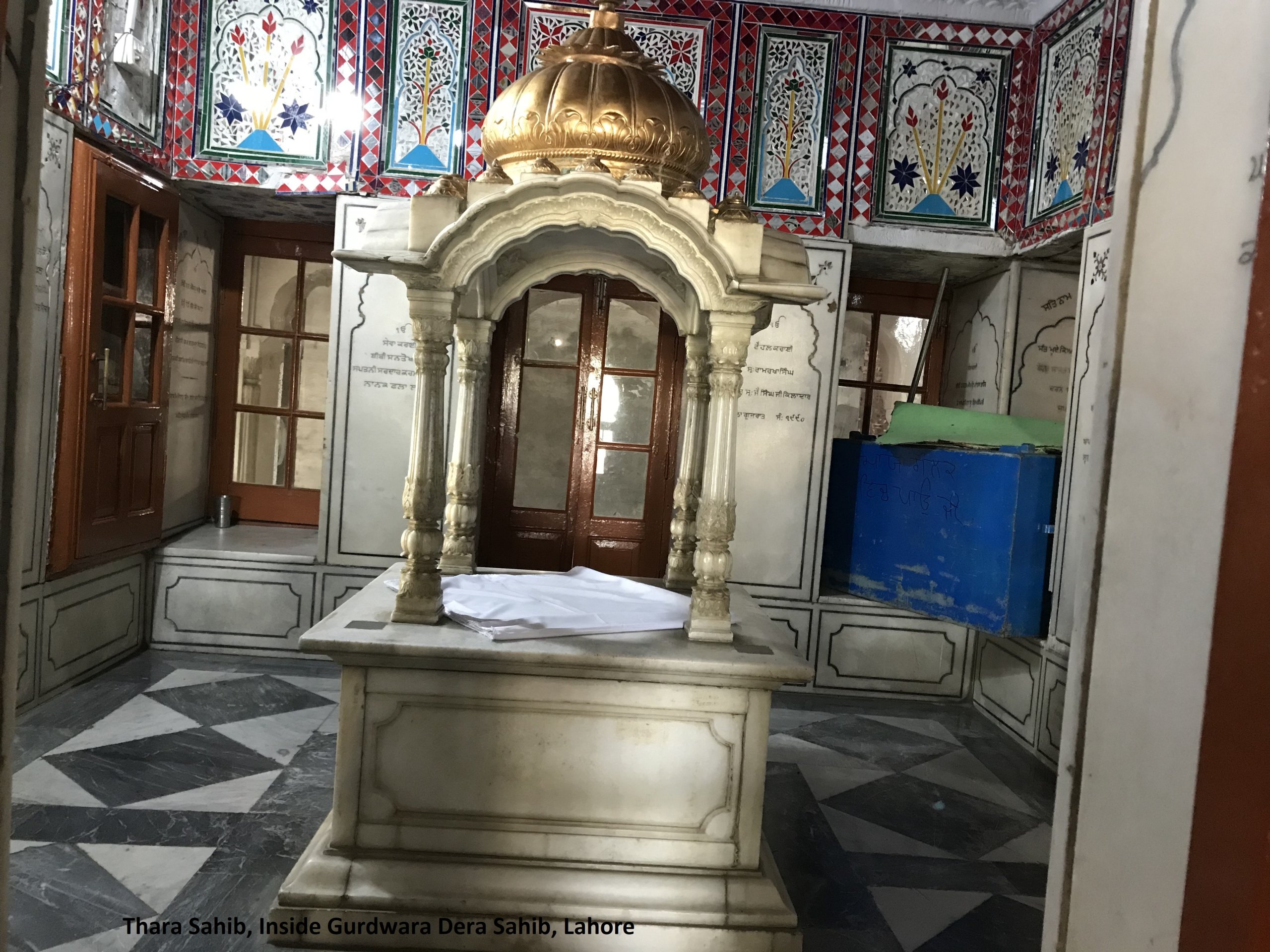
Guru Ram Das Ji asked (Guru) Arjan to remain in Lahore until he was asked to return. (Guru) Arjan was instructed to share the Guru’s teachings with the Sikhs there. Any donations received by him were to be given to the free kitchen to feed the poor. (Guru) Arjan stayed at a house which is not very far from the birth place of Guru Ram Das in Chuna Mandi, Lahore. After the wedding celebrations were over, (Guru) Arjan started holding daily congregations in the house where Guru Ram Das was born. His spare time was spent in study and meeting spiritually inclined prominent personalities of Lahore as Hazrat Mian Mir, Chhajju, Shah Husain etc. for exchange of views.
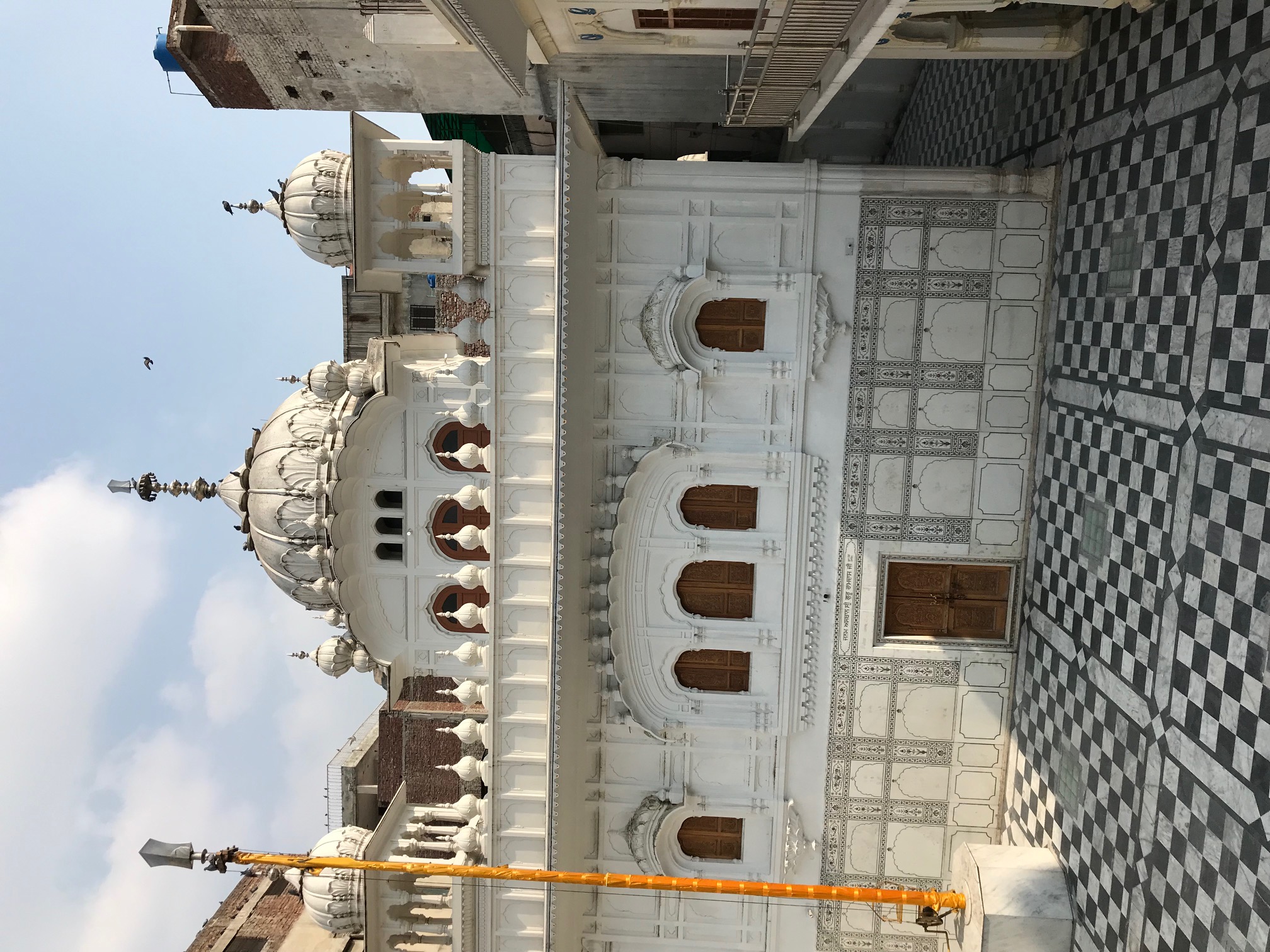
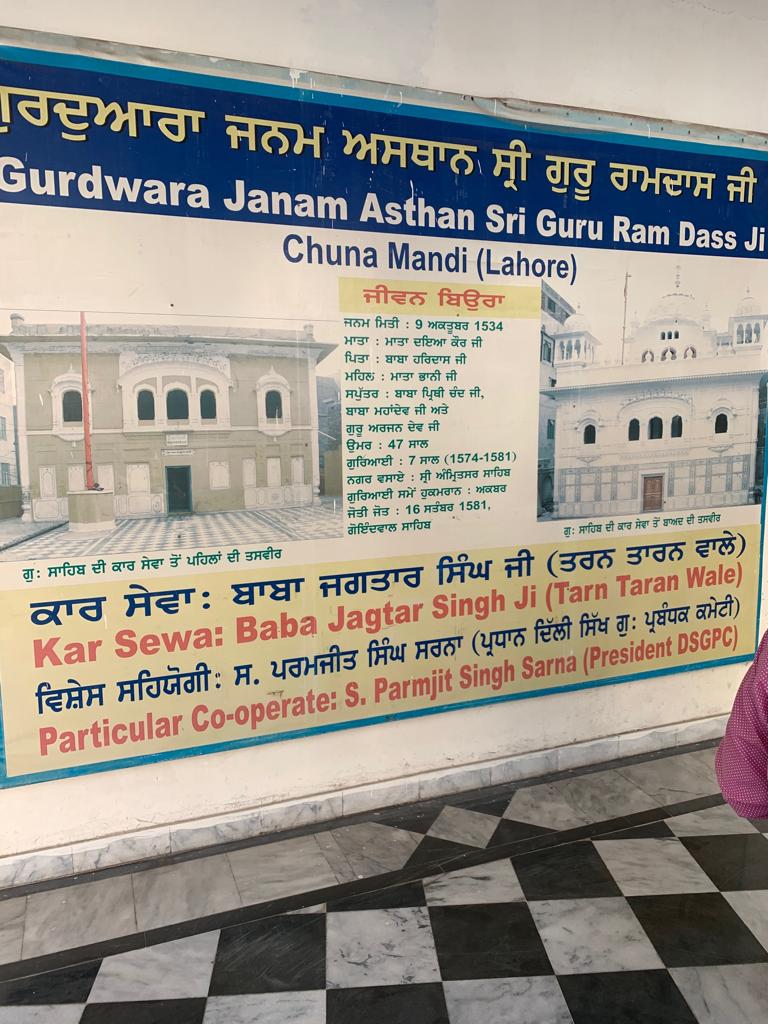
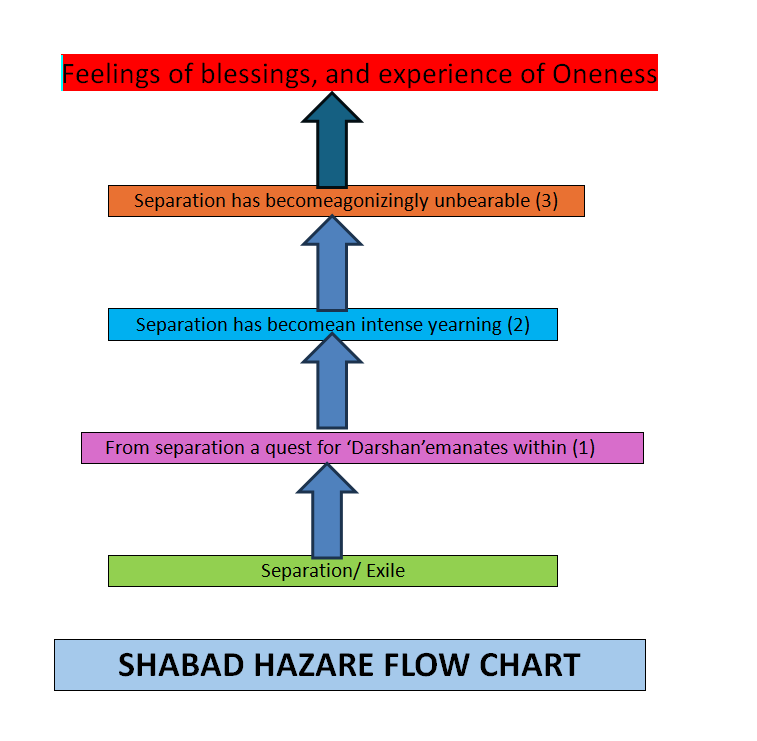
But he was missing the spiritual companionship of Gurus that he had enjoyed since his birth. His longing to return back became his deep intention. Soon the days turned into months, and months into a year, but there was no word for his return. Every time he would hold the congregation at the premise of Guru Ram Das’s birth, it would remind him of Guru Ji and his intention to go back to Amritsar. As in his heart he was still longing for his father/Guru, Guru Ram Das Ji, he shared his deep longing with others. They suggested that he write a letter expressing his desire to return. (Guru) Arjan wrote a beautifully worded letter expressing his desire for audience, and on the top of the page he drew a pied-cuckoo yearning for a raindrop, as it drinks only rain drop alone:
ਮੇਰਾ ਮਨੁ ਲੋਚੈ ਗੁਰ ਦਰਸਨ ਤਾਈ ॥ ਬਿਲਪ ਕਰੇ ਚਾਤ੍ਰਿਕ ਕੀ ਨਿਆਈ ॥ ਤ੍ਰਿਖਾ ਨ ਉਤਰੈ ਸਾਂਤਿ ਨ ਆਵੈ ਬਿਨੁ ਦਰਸਨ ਸੰਤ ਪਿਆਰੇ ਜੀਉ ॥੧॥ ਹਉ ਘੋਲੀ ਜੀਉ ਘੋਲਿ ਘੁਮਾਈ ਗੁਰ ਦਰਸਨ ਸੰਤ ਪਿਆਰੇ ਜੀਉ ॥੧॥ ਰਹਾਉ ॥
Meraa mun lochai gur dharasan taiee. Bilap kare chaatirak kee niaaiee. Tirakhaa na utarai saa(n)t na aavai bin dharasan sa(n)t piaare jeeau. ||1|| hau gholee jeeau ghol ghumaiee gur dharasan sa(n)t piaare jeeau. ||1|| Rahaau || (SGGS, Pg. No. 96)
Translation: My mind is yearning to have the darshan of the Guru (Like a papeeya/chatrik begging for a drop of nectar) it vails. Without the darshan of the beloved Saint-Guru, (my spiritual) thirst is not quenched, my mind is not calm.1. I am a sacrifice, again and again to the sight (darshan) of the beloved Saint-Guru.1. Pause.”
He sent this letter to Guru JI with one of the Sikhs. When the messenger reached Amritsar, Prithia met him and found out about a letter for the Guru from his brother. He said to him, “Don’t worry! I will deliver the letter to the Guru myself.” When he read the letter the beautiful words made him feel that this could jeopardize his prospects of being appointed as the successor Guru. He put the letter in his pocket and asked the messenger to ask Arjan to stay in Lahore until sent for. When the messenger shared the details of his meeting in Amritsar with (Guru) Arjan, he then wrote a second letter with strict orders that it be given only to the Guru. In it, he wrote:
ਤੇਰਾ ਮੁਖੁ ਸੁਹਾਵਾ ਜੀਉ ਸਹਜ ਧੁਨਿ ਬਾਣੀ ॥ ਚਿਰੁ ਹੋਆ ਦੇਖੇ ਸਾਰਿੰਗਪਾਣੀ ॥ ਧੰਨੁ ਸੁ ਦੇਸੁ ਜਹਾ ਤੂੰ ਵਸਿਆ ਮੇਰੇ ਸਜਣ ਮੀਤ ਮੁਰਾਰੇ ਜੀਉ ॥੨॥ ਹਉ ਘੋਲੀ ਹਉ ਘੋਲਿ ਘੁਮਾਈ ਗੁਰ ਸਜਣ ਮੀਤ ਮੁਰਾਰੇ ਜੀਉ ॥੧॥ ਰਹਾਉ ॥
Teraa mukh suhaavaa jeeau sahaj dhun baanee. Chir hoaa dhekhe saari(n)gapaanee. Dha(n)nu su dhes jahaa too(n) vasiaa mere sajan meet muraare jeeau ||2|| Hau gholee hau ghol ghumaiee gur sajan meet muraare jeeau. ||1|| Rahaau || (SGGS, Pg. No. 96)
Translation: O Lord, the Bow-bearer! Your face beautiful and your utterings are soothing. O Lord, the Bow-bearer! It has been a long time since I have had your darshan. O my beloved Lord! O my friend Lord! That heart-country is fortunate in which You reside.2. O my beloved Guru! O my friend Lord! I am a sacrifice to you, a sacrifice. 1. Pause.
Again, this time the letter was intercepted by Prithia. He sent another message that the (Guru) Arjan was to remain in Lahore until sent for. When Arjan heard this from the messenger, he wrote a third letter, this time putting a number “3” on the top of the paper. He told the messenger to be on his guard against Prithia and only to give the letter to Guru Ram Das Ji himself. The messenger waited until Prithia left for home, then he quickly reached the Guru and gave him the letter. In it, (Guru) Arjan said:
ਇਕ ਘੜੀ ਨ ਮਿਲਤੇ ਤਾ ਕਲਿਜੁਗੁ ਹੋਤਾ ॥ ਹੁਣਿ ਕਦਿ ਮਿਲੀਐ ਪ੍ਰਿਅ ਤੁਧੁ ਭਗਵੰਤਾ ॥ ਮੋਹਿ ਰੈਣਿ ਨ ਵਿਹਾਵੈ ਨੀਦ ਨ ਆਵੈ ਬਿਨੁ ਦੇਖੇ ਗੁਰ ਦਰਬਾਰੇ ਜੀਉ ॥੩॥ ਹਉ ਘੋਲੀ ਜੀਉ ਘੋਲਿ ਘੁਮਾਈ ਤਿਸੁ ਸਚੇ ਗੁਰ ਦਰਬਾਰੇ ਜੀਉ ॥੧॥ ਰਹਾਉ ॥
Eik ghaRee na milate taa kalijug hotaa. Hun kadh mileeaai pria tudh bhagava(n)taa. Moh raian na vihaavai needh na aavai bin dhekhe gur dharabaare jeeau. ||3|| Hau gholee jeeau ghol ghumaiee tis sache gur dharabaare jeeau. ||1|| Rahaau || (SGGS, Pg. No. 96)
Translation: Even a moment’s time away from the Guru feels like a long, dark, iron age.
His inner yearning was not to be separated from the Guru. So, his intention to be with the Guru is reflected in his query:
Translation: When will I meet you?
Because without the “Darshan” of your “Darbar” even the nights feels crucifying unbearable.
Translation: “I cannot sleep at nights, as the agony of separation keep me awake. ”
The intention of being with the Guru is expressed as:
Translation: I am a sacrifice to the Guru's court, a sacrifice that will always remain unwavering. 1. Pause.
On this letter, the Guru JI saw the number “3”, and knew instantly that he had not received the other two letters. The messenger related the story to him, and the Guru grew very upset. He called for Prithia and asked him three times if he knew anything about the other letters. Prithia denied it flatly. Then the all-knowing Guru knew his thoughts, and told the messenger to get the coat from Prithia’s house. The two missing letters were in the pocket and he returned with those.
At once, Guru Ji asked Bhai Buddha to go to Lahore with five Sikhs on a carriage, to bring (Guru) Arjan home as soon as possible. (Guru) Arjan had ended up staying in Lahore for two years suffering pangs of separation. (Guru) Arjan’s exile from Amritsar was like the exile of:
Guru Angad from Kartarpur
Guru Amar Das from Khadur
Guru Ram Das from Goindwal
Back in Amritsar
The long exile at a young age in Lahore became the crucible that forged the character of (Guru) Arjan into a person of strong intentions. When (Guru) Arjan was finally united with his father, he placed his head on Guru Sahib Ji’s chest against Guru’s long beard. He remained that way for many moments, while the Guru held him gently in his tight embrace. Guru Ram Das anointed (Guru) Arjan as his successor Guru. Baba Buddha applied the tilak (mark) on (Guru) Arjan’s forehead as a symbol that the light of Guru Ram Das Ji had now passed to Arjan, who then became Guru Arjun Dev Ji the fifth Guru of the Sikhs.
Guru Ji then asked him that since he had written three stanzas, he should write a fourth stanza to complete the poem. Guru Arjan wrote about the ecstasy that he experienced on meeting Guru Ji as the last verse:
ਭਾਗੁ ਹੋਆ ਗੁਰਿ ਸੰਤੁ ਮਿਲਾਇਆ ॥ ਪ੍ਰਭੁ ਅਬਿਨਾਸੀ ਘਰ ਮਹਿ ਪਾਇਆ ॥ ਸੇਵ ਕਰੀ ਪਲੁ ਚਸਾ ਨ ਵਿਛੁੜਾ ਜਨ ਨਾਨਕ ਦਾਸ ਤੁਮਾਰੇ ਜੀਉ ॥੪॥ ਹਉ ਘੋਲੀ ਜੀਉ ਘੋਲਿ ਘੁਮਾਈ ਜਨ ਨਾਨਕ ਦਾਸ ਤੁਮਾਰੇ ਜੀਉ ॥ ਰਹਾਉ ॥੧॥੮॥
Bhaag hoaa gur sa(n)t milaiaa. Prabh abinaasee ghar meh paiaa. Sev karee pal chasaa na vichhuRaa jan naanak dhaas tumaare jeeau. ||4|| Hau gholee jeeau ghol ghumaiee jan naanak dhaas tumaare jeeau || Rahaau ||1||8|| (SGGS, Pg. No. 96)
Translation: My fortune awakened, the Guru has united me with God, the source of peace. (By the Guru's grace, I have found that) imperishable God within. O servant Nanak! (Say—O God! Have mercy on me, so that) I will continue to serve You (every moment, every day), I (Your servant) wishes not to be separated even for a moment, even for an instant. 4. O servant Nanak! (Say—O God!) I am a sacrifice and a sacrifice to you. 1. Pause.
After two days Guru Ram Das Ji went to Goindwal and Guru Arjan Dev went with him. Gurus spent third day there, then on the fourth day Guru Ram Das merged into Supreme being in Goindwal on September 01, 1581.
Conclusion
In such a young age Guru Arjan Ji’s character was forged on the anvil of exile into a person of strong intention. His life inspires us to remember Guru all the time. Even at the time of martyrdom of Guru Ji which took place in Lahore, Guru Ji’s strong intention was remembrance and acceptance without any complaint. The details of torture are well known to the readers, so they are not being repeated here. Even his last trip was to Lahore, from which he never returned home. The worthwhile thing is the words on his lips during those days while undergoing tortures were:
ਤੇਰਾ ਕੀਆ ਮੀਠਾ ਲਾਗੈ ॥ ਹਰਿ ਨਾਮੁ ਪਦਾਰਥੁ ਨਾਨਕੁ ਮਾਂਗੈ ॥੨॥੪੨॥੯੩॥
Teraa keeaa meeThaa laagai. Har naam padhaarath naanak maa(n)gai. ||2||42||93||
(SGGS, Pg. No. 394)
Translation: Your actions seem so sweet to me. Nanak begs for the treasure of the Naam, the Name, virtues of God. ||2||42||93||
His short life of 43 years was full of accomplishments, which is a testimony of the results of his strong power of intention. Intention is the energy of the soul that becomes manifest as physical reality. Guru Ji’s accomplishments include completion of construction of Sri Darbar Sahib, compilation of Granth Sahib, his soulful musical compositions as Sukhmani Sahib, and setting up new cites as Tarn Taran and Kartarpur. We can see his intention was for Naam alone and nothing else even at the time when he was facing excruciating torture in Lahore at the time martyrdom. This power of intention with firm belief results in its manifestation in life. So, his strong intention even made the pain of excruciating physical tortures seem insignificant. Let us take inspiration from Guru and become a person who exercises his/her power of intention in life. The intention is the key to manifestation waiting for us to explore it.
References:
-
Singh, Jagdish. Founders of Sikh Religion. Guru Nanak Foundation, New Delhi.
-
Foster, R. & Hicks, G. How We Choose to Be Happy. Perigee Books. New York.
-
www.Srigranth.org