There was not one murmur of anger, hate or even a sense of victimization. Instead, I felt their communal commitment to remain peaceful even in the face of violence. The community would not let that force win by pulling them into bitterness or vengefulness. There was no sense of inner struggle, whatsoever.
As we drove North on 94 West, I saw an exit sign for the town: Oak Creek. That was a Holy Spirit moment: I knew that on the way back a week later, we could not just drive by. We had to stop to pray for the wounded and the dead; to leave a donation; and most of all, to send a message: You are not alone. We are standing with you.
Manat Kaur is in many ways a typical 14-year-old, indistinguishable from others her age in her usual outfit of sneakers, jeans and T-shirt. But when asked, the soon-to-be high school freshman makes it a point never to hide her Sikh identity.
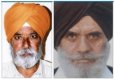
Authorities are investigating whether the massacre at a Sikh temple near Milwaukee could be linked to last year's unsolved murders of two elderly Sikh men in Elk Grove.
The years I am talking about precede 9/11 by a decade. As far as I can see, post 9/11, it has become considerably easier to express and act on such prejudices. My point, though, is this: these prejudices have always existed in the United States, and they are not restricted to white supremacists.


Pages

Subscribe to RSS - wisconson