
A Travelogue of Sacred Spaces, History, and Community Service
The valley of Kashmir, celebrated for its unparalleled natural beauty and rich cultural heritage, has also been sanctified by the footsteps of Guru Nanak Dev Ji, the founder of Sikhism, during his extensive missionary journeys (Udāsīs). A recent journey from Bemina to Pahalgam provided an opportunity not only to experience the breathtaking landscapes of South Kashmir but also to revisit several historic Sikh shrines associated with Guru Nanak Dev Ji. The excursion became a harmonious blend of history, spirituality, and nature. Our journey commenced from Bemina, Srinagar, in the early hours of the day. Travelling along the historic route that connects Srinagar with South Kashmir, we first reached Pampore, renowned throughout the world as the “Saffron Town of Kashmir.” The saffron fields of Pampore have, for centuries, contributed significantly to the cultural and economic identity of the Valley.
Proceeding further, we arrived at Awantipora, one of Kashmir’s most important archaeological sites. The town derives its name from King Avantivarman (855–883 CE) of the Utpala dynasty, who established it as a centre of political and cultural activity. The magnificent stone remains of the ancient temples of Avantiswami and Avantisvara, now protected by the Archaeological Survey authorities, stand as enduring testimonies to Kashmir’s glorious architectural and artistic traditions. These monuments reflect the sophistication of early medieval Kashmiri civilization and continue to attract scholars and visitors alike.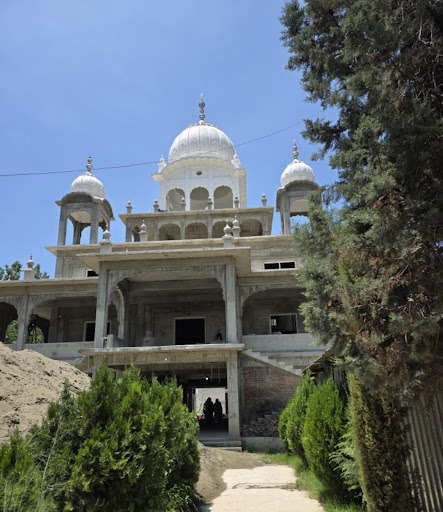
At Awantipora, we paid our respects at the historic Gurdwara Sahib associated with Guru Nanak Dev Ji’s visit to Kashmir. According to Sikh tradition, Guru Nanak traversed this region during his missionary travels, disseminating the message of divine unity, social equality, and spiritual enlightenment. It was heartening to observe that a new and spacious Gurdwara building is presently under construction, reflecting the devotion and commitment of the Sikh community towards preserving this sacred heritage.New building of Gurdwara Sahib is under construction.
From Awantipora, we continued through the bustling bazaars and fertile countryside of South Kashmir before reaching the historic Gurdwara Guru Nanak Dev Ji at Bijbehara. 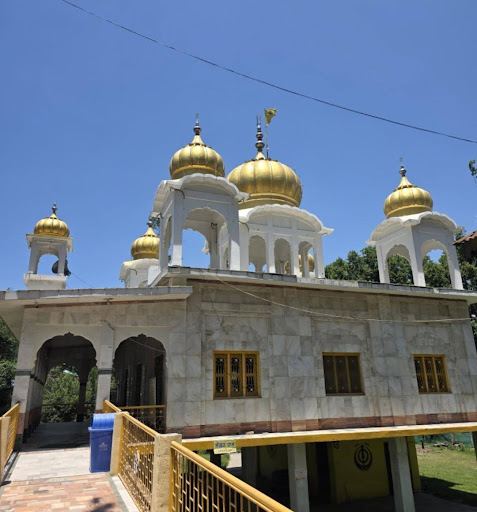
Revered by the local Sikh population, the shrine commemorates the Guru’s presence in the region. After offering our prayers and paying homage, we resumed our journey towards Mattan.
Our next destination was Gurdwara Nanaksar Mattan Sahib, one of the most significant Sikh shrines in Kashmir. Mattan has been an ancient centre of Hindu learning and pilgrimage for centuries. Sikh historical traditions record that Guru Nanak Dev Ji engaged in profound theological discussions here with the renowned scholar Pandit Brahmdas. Through dialogue marked by wisdom, humility, and spiritual insight, Guru Nanak emphasized the supremacy of divine truth over ritualistic formalism. Deeply impressed by the Guru’s spiritual vision, Pandit Brahmdas is believed to have acknowledged the Guru’s superiority in spiritual wisdom and embraced his teachings. The shrine thus symbolizes the triumph of dialogue, reason, and universal spirituality.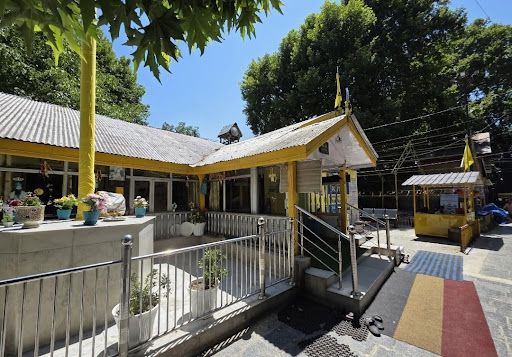
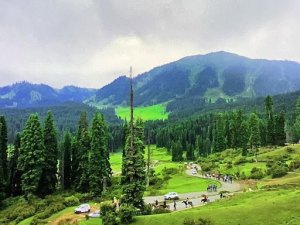
After paying our respects at Mattan Sahib, we proceeded towards Pahalgam via Ashmuqam, another historically significant locality known for its revered shrine and picturesque surroundings. As the road gradually ascended through verdant meadows, crystal-clear streams, and dense pine forests, the landscape unfolded in all its splendour. Every turn revealed new vistas of majestic mountains and flowing waters, reaffirming Kashmir’s well-deserved reputation as “Paradise on Earth.”
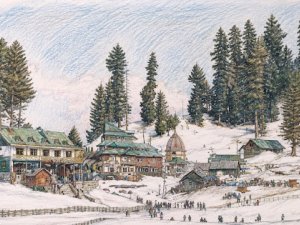
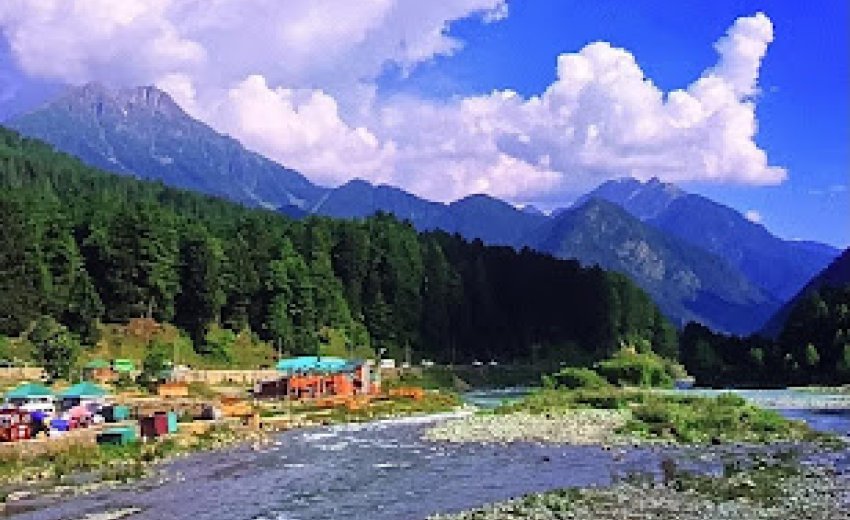
Upon reaching Pahalgam, one is immediately captivated by its extraordinary natural beauty. Situated on the banks of the Lidder River and surrounded by snow-clad peaks and lush forests, Pahalgam remains one of the most enchanting hill resorts in the Himalayan region.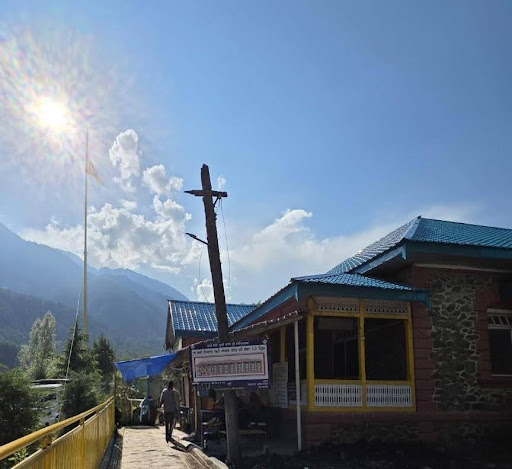
After a pleasant lunch amidst the refreshing mountain atmosphere, we visited Gurdwara Pahalgam Sahib, another sacred site associated with Guru Nanak Dev Ji’s travels in Kashmir. The serene environment of the shrine provides pilgrims with an ideal setting for meditation and spiritual reflection.
At Pahalgam, a major infrastructure project is presently underway, with approximately thirty-five rooms with attached bathrooms under construction to accommodate the growing number of pilgrims and visitors. This ambitious undertaking is being carried out under the devoted supervision and guidance of the renowned Baba Kashmira Singh ji Phuriwala of Amritsar. His selfless commitment, unwavering dedication, and generous contribution toward the development of this religious institution constitute a remarkable chapter in contemporary Sikh community service. His humility, affection, and devotion reflected the enduring spirit of seva that continues to characterize Sikh religious institutions. Indeed, the magnitude of his efforts transcends mere description, for his tireless labour and vision have significantly strengthened the facilities available to devotees while contributing to the preservation and promotion of Sikh heritage in the Kashmir Valley.
Upon our arrival at the Gurdwara Sahib, Head Granthi Bhai Sewa Singh Ji extended a warm and gracious welcome. In keeping with the Sikh tradition of hospitality and selfless service, he received us cordially and offered tea. He also requested that I send him copies of books authored by me, particularly “The Sikhs in Jammu and Kashmir”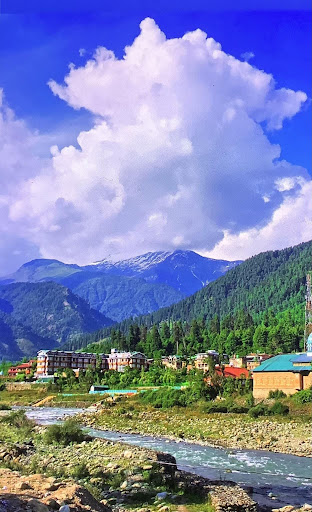
Thereafter, we spent some time in the beautifully maintained gardens of Pahalgam, admiring the magnificent scenery and enjoying a cup of tea while listening to the soothing murmur of the Lidder River. The tranquil surroundings offered a welcome respite from the pressures of modern life and highlighted the enduring harmony between nature and spirituality that characterizes the Kashmiri landscape.
Yet this harmony also revealed a responsibility. Horse dung scattered across several tourist areas affected the cleanliness and beauty of the resort, reminding us that even the most sacred and scenic places require careful stewardship. In a destination of such spiritual and environmental significance, cleanliness is not merely a matter of convenience but of respect—for visitors, for local livelihoods, and for the landscape itself. The proposal to create separate peripheral tracks for horses and ponies is therefore both practical and necessary, offering a way to protect the environment while preserving the traditions that sustain tourism in the region.
The journey from Bemina to Pahalgam was far more than a simple travel. It was a passage through Kashmir’s living heritage, where the spiritual message of Guru Nanak Dev Ji, the historical depth of ancient shrines and monuments, and the unmatched beauty of the Valley came together in one seamless experience. At Awantipora, Bijbehara, Mattan, Ashmuqam, and Pahalgam, history was not confined to the past; it was encountered as a living presence, carried forward through devotion, memory, and place. At the same time, the mountains, rivers, meadows, and forests of South Kashmir reminded us that this sacred heritage is inseparable from the natural world that sustains it.
In the end, the journey left a lasting lesson: Kashmir’s true greatness lies in the harmony of faith, history, and nature, and that harmony can endure only when it is cherished, protected, and passed on with reverence.(Photo Credit: Taranjot Singh Sarna)