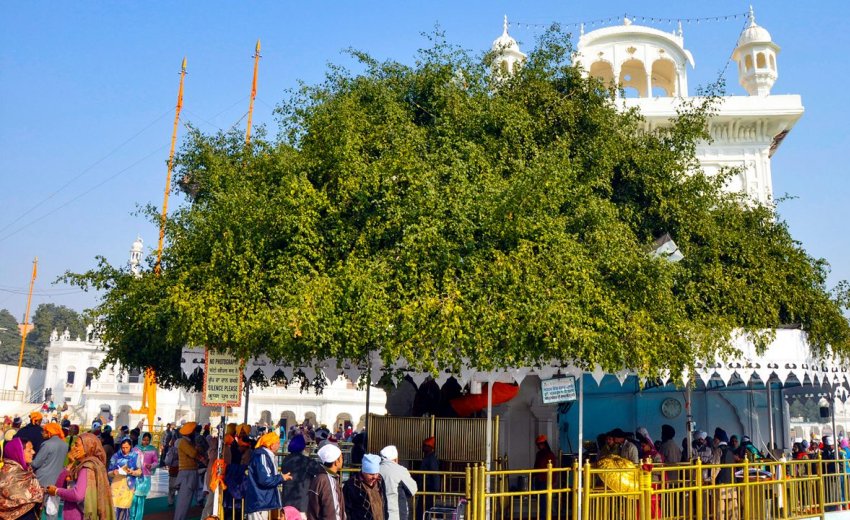

Dukh Bhanjani Beri: The epitome of healing and faith at Harmandir Sahib
Every year, thousands of pilgrims who visit Sri Harmandir Sahib in Amritsar pay their respects to an old Ber (jujube) tree known as Dukh Bhanjani Beri. This tree is not merely a part of the Golden Temple complex but a place closely connected with faith, healing, and personal prayer. Over generations, people have associated this spot with relief from suffering, both physical and emotional.
Pilgrims often pause near the Beri, bow in silence, and offer prayers filled with hope. Many also take a dip in the nearby Sarovar, believing that the combination of prayer, humility, and remembrance of the divine brings comfort and strength.
The Story of Bibi Rajni and the Origin of Dukh Bhanjani Beri
The origin of Dukh Bhanjani Beri is linked to a well-known Sikh legend from the time of Guru Ram Das Ji, the fourth Sikh Guru. Once upon a time, Bibi Rajni, a woman remembered for her deep faith and patience during severe hardship. According to tradition, Bibi Rajni was married to a man suffering from leprosy. In those times, the disease led to social isolation and immense physical and emotional pain. Life for the couple was extremely difficult, yet Bibi Rajni accepted her situation without complaint. She believed that whatever happened was under divine will and that sincere prayer never went unheard.
During her search for relief for her husband, Bibi Rajni brought him to a pond near a Ber tree, close to where the Golden Temple stands today. Every day, she would leave him there while she went to collect food. Before leaving, she would remind him to trust in the divine and remain patient.
One day, while she was away, her husband felt intense thirst. Struggling and weak, he crawled toward the pond. He drank from the water and bathed in it. When Bibi Rajni returned, she was astonished to find him completely cured. The visible signs of leprosy had disappeared.
The healing was understood as an act of divine grace, drawn by Bibi Rajni’s faith and acceptance. Word of this incident spread among the people. The pond and the Ber tree nearby became known as a place where suffering could be eased. Over time, the tree came to be called Dukh Bhanjani Beri, meaning “the remover of pain.”
This story has remained central to Sikh oral tradition. It does not suggest blind belief or instant miracles for everyone. Instead, it highlights values of spiritual life, faith, humility, patience, and trust in the divine order.
Faith and Spiritual Meaning
The significance of Dukh Bhanjani Beri lies deeply in Sikh beliefs about faith and remembrance of the divine. Sikhi teaches that suffering is part of human life, but it also teaches that one can face suffering with strength through naam simran, honest living, and trust in the divine will. Devotees who visit the Beri come with many hopes. Some pray for recovery from illness, some seek relief from mental stress, while others ask for clarity in difficult phases of life. Many visitors do not expect dramatic change but hope for inner calm and acceptance.
Bathing in the Sarovar near the Beri is an important part of this experience. In Sikh tradition, the Sarovar is not viewed as a magical solution. Instead, it is a space where physical action and spiritual intent come together. Taking a dip represents humility, surrender, and the desire to cleanse the mind of ego, fear, and negativity.
Also, Dukh Bhanjani Beri is a symbol of the Sikh belief in equality. People from different backgrounds, regions, and faiths stand side by side near the Sarovar. No one is questioned about their identity or beliefs. The message is simple: divine grace is available to all who approach with sincerity.
Dukh Bhanjani Beri and the Sarovar in Present Times
Today, Dukh Bhanjani Beri is an important symbol of devotion within the Golden Temple complex. The tree stands near the edge of the Sarovar and is protected to preserve its age and structure. Pilgrims walk past it slowly, often stopping for a moment of prayer or quiet reflection.
The Sarovar continues to draw thousands of devotees every day. From early morning hours, people line up patiently to bathe. Many close their eyes before entering the water, whispering prayers or silently reflecting on personal struggles. For them, the experience goes beyond physical cleansing. It becomes a moment of connection and grounding.
The surroundings add to this sense of calm. The Golden Temple complex combines water, marble walkways, and carefully planned architecture. The open design allows natural light and reflection, encouraging visitors to slow down and remain mindful. The Ber tree stands quietly within this space, reminding people of continuity and resilience.
The blend of nature and architecture creates an atmosphere suitable for reflection. The Beri, the Sarovar, and the surrounding structures do not overwhelm visitors. Instead, they guide attention inward. This simplicity aligns closely with Sikh values of humility and balance.
For many devotees, the visit to Dukh Bhanjani Beri becomes one of the most personal moments of their pilgrimage. It offers a pause from routine, noise, and pressure. In that stillness, people often find emotional release or renewed strength.
Continuing Hope
The lasting importance of Dukh Bhanjani Beri is sustained by the experiences of those who visit it. Over time, countless devotees have shared personal accounts of finding comfort, healing, or peace after praying near the Beri or bathing in the Sarovar.
Some speak of physical improvement after long illness. Others describe emotional relief during periods of loss or stress. Many mention a sense of acceptance or renewed clarity. These experiences differ from person to person, but they share a common thread—a moment where faith helped them move forward.
Sikh tradition does not insist that everyone must experience a miracle. Instead, it values inner change. Strength gained through prayer, patience during hardship, and trust during uncertainty are all considered meaningful outcomes of devotion.
Dukh Bhanjani Beri is a reminder that hope remains alive even in suffering. It does not promise escape from hardship, but it offers strength to face it. Through faith, humility, and remembrance, devotees find comfort and resilience.
The Significance
Dukh Bhanjani Beri holds a special place in Sikh spiritual life. Rooted in the story of Bibi Rajni and sustained by centuries of devotion, it continues to represent faith, healing, and trust in the divine.
For those who visit, it offers not certainty, but reassurance. It reminds people that pain can be faced with dignity and that faith, when sincere, provides strength even in the most difficult moments. Quietly standing beside the Sarovar, Dukh Bhanjani Beri continues to guide seekers toward patience, hope, and inner peace.
Reference Links:
DVNetwork - Dukh Bhanjani Beri
https://dvnetwork.org/page/dukh-bhanjani-beri
The article showcases Dukh Bhanjani Beri’s place in Sikh spiritual practice, and how devotees from around the world seek comfort, relief, and renewal at this historic site.
DiscoverSikhism - Historic Place Of Dukh Bhanjani Beri
https://www.discoversikhism.com/sikh_gurdwaras/historic_place_of_dukh_bhanjani_beri.html
It traces the legend of Bibi Rajni and her husband’s healing, and how this sacred jujube tree and nearby sarovar have become central to devotees seeking relief from suffering.