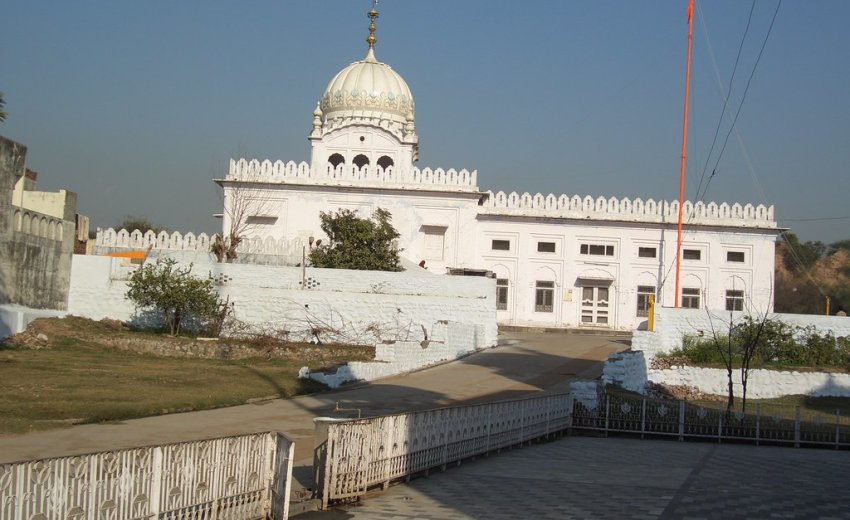

Kiratpur Sahib: The Seat of Sikh Gurus Before Anandpur Sahib
Kiratpur Sahib is a town in Punjab’s Rupnagar district that holds a special place in Sikh history. Before Anandpur Sahib became a major centre, Kiratpur served as the home and spiritual base for several Sikh Gurus. Its historical importance is tied to the lives and teachings of Guru Hargobind, Guru Har Rai, and Guru Har Krishan.
Foundation of Kiratpur Sahib
The town was founded in 1626 by Baba Gurditta, the son of Guru Hargobind. The land was given by Raja Tara Chand of Kahlur, and the foundation was laid by Baba Sri Chand, the elder son of Guru Nanak Dev Ji. This event took place on Baisakh Puranmashi, i.e. May 1626.
Kiratpur Sahib also has a connection to Pir Buddan Shah, a Muslim saint who lived in the area. Guru Nanak had met him during his travels and told him that a Sikh would come one day to claim the milk he had offered. When Baba Gurditta arrived, Pir Buddan Shah recognised the prophecy and welcomed him. This story adds a spiritual layer to the town’s origin.
The Role of Kiratpur Sahib in Sikh Leadership
After the battles of Kartarpur and Phagwara in 1635, Guru Hargobind moved to Kiratpur Sahib. He made it the centre of Sikh activities, both spiritual and administrative. The town remained the seat of Sikh Gurus until Guru Tegh Bahadur founded Chakk Nanaki (later Anandpur Sahib) in 1665.
Guru Hargobind spent his later years in Kiratpur, focusing on guiding the Sikh community. His son, Guru Har Rai, was born and raised here, and later became the seventh Guru. Later, the eighth Sikh Guru, Guru Har Krishan, was also born in Kiratpur. Their Guruship ceremonies were held in the town, making it a key location in the timeline of Sikh leadership.
Moving Towards Anandpur Sahib
In 1665, Guru Tegh Bahadur established Chakk Nanaki, which eventually became Anandpur Sahib. This marked a shift in the Sikh centre from Kiratpur to Anandpur. However, Kiratpur continued to be respected and visited by Sikhs, especially because of its connection to earlier Gurus.
Important Events in Kiratpur Sahib’s History
One of the most emotional moments in Kiratpur’s history happened in 1675. After Guru Tegh Bahadur was martyred in Delhi, Bhai Jaita brought his sacred head to Kiratpur. This act is remembered at Gurdwara Babangarh Sahib, which honours the Guru’s sacrifice and the bravery of Bhai Jaita.
Kiratpur Sahib is also known for its role in Sikh funeral traditions. The ashes of the deceased are immersed at the Gurdwara Patalpuri Sahib, located by the Sutlej River. To date, many Sikh families continue this tradition as a mark of the town’s lasting spiritual importance.
Gurdwaras and Sacred Places in Kiratpur Sahib
Kiratpur Sahib has several gurdwaras that reflect its rich history:
Gurdwara Charan Kamal Patsahi Pahili: The gurudwara marks the place where Guru Nanak met Pir Buddan Shah. It was rebuilt in the early 1800s by Raja Bhup Singh of Ropar.
Gurdwara Shish Mahal: The gurudwara was the residence of Guru Hargobind’s family. It is also the birthplace of Guru Har Rai and Guru Har Krishan. The building features decorative glass panels and gold work.
Gurdwara Takht Kot Sahib: The gurudwara served as the court of Guru Hargobind. It was here that Guru Har Rai and Guru Har Krishan were given Guruship. The site is considered as important as the Akal Takht in Amritsar.
Gurdwara Sri Harimandir Sahib Patsahi Chhevin: The gurudwara was a quiet place where Guru Hargobind meditated. It is surrounded by a garden called Naulakkha Bagh. A well-known story from this place involves Guru Har Rai accidentally damaging a flower and learning a lesson in compassion from his grandfather.
These gurdwaras are not just historical buildings. They are the sacred abodes where people come to learn, reflect, and connect with the teachings of the Gurus.
Kiratpur Sahib Today
Even though Anandpur Sahib later became the main centre, Kiratpur Sahib continues to be a respected pilgrimage site. People visit to perform last rites, pay respects, and remember the contributions of the Sikh Gurus. The peaceful environment and sacred sites make it a meaningful place for reflection and prayer. Efforts are being made to preserve the town’s heritage. Local communities and religious groups are working to maintain the gurdwaras and share the history of Kiratpur Sahib with younger generations.
Legacy of Devotion and Sacrifice
Kiratpur Sahib played a key role in the early development of Sikhism. It was the home of three Sikh Gurus and the site of many important events. Before Anandpur Sahib rose to prominence, Kiratpur was where the Sikh community found guidance, strength, and unity. Today, it remains a symbol of devotion and history, reminding us of the values and sacrifices that shaped the Sikh faith.
Reference Links:
Wikipedia - Kiratpur Sahib
https://en.wikipedia.org/wiki/Kiratpur_Sahib
Outlines Kiratpur Sahib’s historical significance in Sikhism, focusing on its foundation, role as a residence and spiritual center for Sikh Gurus, and its continued importance through key religious sites and practices.
Sikh Encyclopedia - Kirtapur Sahib
https://www.thesikhencyclopedia.com/kiratpur-sahib/
A deep insight into Kiratpur Sahib’s spiritual foundation, association with multiple Sikh Gurus, and the historical significance of its gurdwaras and sacred traditions.
Ecoheritage - Kiratpur Sahib.
https://ecoheritage.cpreec.org/kiratpur-sahib/
Focuses on its cultural and spiritual heritage, highlighting its founding, association with Sikh Gurus, and the significance of its gurdwaras and rituals in preserving Sikh traditions