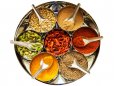
Spices grown in the mist-shrouded Western Ghats here have fueled wars, fortunes and even the discovery of continents, and for thousands of years farmers harvested them in the same traditional ways. Until now.
..AZPM has presented a series of profiles that highlight original research, students conduct every day. In this segment, science fair award winners Sumedha Ravishankar and Sirtaj Bir Singh, of Empire High School, discuss their research on the antimicrobial effects of spices and plant extracts on deadly e. coli bacteria.
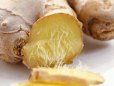
Ginger’s ability to calm an upset stomach is well known. But more recently, scientists have wondered whether its soothing effects might extend to sore muscles.
In India, where people eat curry almost every day, the Alzheimer's disease rate is one-fourth the U.S. rate. Now researchers think they may know why. Astudy in mice showed that the active ingredient in turmeric broke up brain plaques of amyloid beta, the abnormal protein buildup that is a hallmark of Alzheimer's.

The ancient science of auyurveda and the natural curative properties of roots and herbs has been understood in India for thousands of years.
Oregano, allspice, cinnamon and garlic essential oils can be effective, natural barriers against E. coli, Salmonella and Listeria.
Subscribe to RSS - spices