Path Is Found for the Spread of Alzheimer’s
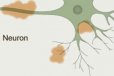
Alzheimer’s disease seems to spread like an infection from brain cell to brain cell. What is being spread is a distorted protein known as tau. This has immediate implications for developing treatments.
read more
Study Shows Meditation Changes Brain Structure in Just 8 Weeks
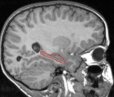
Participants in an 8 week meditation class experienced structural brain changes including increased grey-matter density in the hippocampus, known to be important for learning and memory, and in structures associated with self-awareness, compassion and introspection.
read more
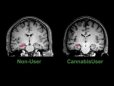
Diabetics’ brains shrink 15X faster than others at age 65
Many complications of diabetes, including kidney disease, foot problems and vision problems are generally well recognized. But the disease’s impact on the brain is often overlooked.
read more
The End of Evil?
Is evil over? Has science finally driven a stake through its dark heart? Or at least emptied the word of useful meaning, reduced the notion of a numinous non-material malevolent force to a glitch in a tangled cluster of neurons, the brain?
read more
Why Aging Ain't No Myth
Just ask someone who has started to age if it's a myth or not. In my experience they'll say "No, it's real."
read more
Is meditation a pushup for the brain?
The study suggests that people who meditate have stronger connections between brain regions and show less age-related brain atrophy. Having stronger connections influences the ability to rapidly relay electrical signals in the brain. And significantly, these effects are evident throughout the entire brain, not just in specific areas.
read more
Meditators can do Noise Canceling, Without Headphones
Studies have found that meditation helps prevent the recurrence of depression, perhaps by producing changes in parts of the brain associated with learning and anxiety. A new study suggests that meditation may modulate brain waves called alpha rhythms, which help regulate the transmission of sensory input from the surrounding environment.
read more
Cognitive aging tied directly to sleep, whether it be too much or too little
A study in the May 1 issue of the journal Sleep describes how changes in sleep that occur over a five-year period in late middle age affect cognitive function in later life. The findings suggest that women and men who begin sleeping more or less than 6 to 8 hours per night are subject to an accelerated cognitive decline that is equivalent to four to seven years of aging.
read more
Daily dose of beet juice promotes brain health in older adults
Researchers for the first time have shown that drinking beet juice can increase blood flow to the brain in older adults – a finding that could hold great potential for combating the progression of dementia.
read more
Science of Spirituality: The Neurology of Spiritual Experience
During spiritual experience there’s a lot going on in the brain and some of that takes place in the parietal lobes — the part of our brain that’s responsible for creating our sense of self. This is the part of the brain that manages the distinction between self and the other.
read more
Syndicate content
SikhNet Email Lists: Over 33,000 Sikhs all over the world enjoy SikhNet emails. Select the emails you would like to receive.

Unsubscribe