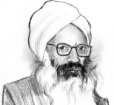
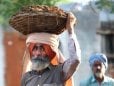
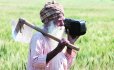
Dr. Sahota is a member of the American Society of Agronomy for many years now and has been an Eastern Director of the CSA for two terms before becoming the President Elect of the CSA last year. He is a life member of the Indian Society of Agronomy and Indian Society of Soil Science and has held executive positions in the Indian Scientific Societies.
FiBL team member Dr. Gurbir S. Bhullar has received the 2014 research award from the Swiss Forum for International Agricultural Research (SFIAR). The former ETH Zurich researcher has explored an interesting possibility for farmers to cultivate climate-neutral rice while also creating added value.
Dr. Shiva is a truly heroic figure in India, and in the human rights battle to save and protect traditional agriculture and food systems.
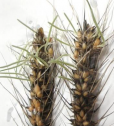
The research opens up a whole new area of exploration for scientists as they try to increase the yields of wheat and decrease losses due to excessively humid conditions.
Upon invitation from FAO, Prof. Aulakh participated in the first meeting of ITPS held at FAO Headquarter, Rome from 22-26 July 2013 where he was selected as Chairperson of "World Soil Charter Committee".
Over 2,000 Sikh farmers settled in Kutch are mobilising political support from outside the state to build pressure.... and to ensure that they are not evicted from the land they have been cultivating for several decades.
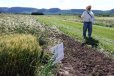
With only one year left to go until its funding runs out, the Thunder Bay Agricultural Research Station is showing the fruits of its labour in an effort to secure more provincial backing.
They have created a little Punjab in the arid Kutch region of Gujarat. Now, a number of these Sikhs - who have made Gujarat their home over a period of almost five decades now - are faced with the fear of displacement.
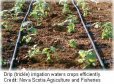
During a recent trip to a rural part of western India to report on rising food prices, I met two kinds of farmers — those with access to irrigation and those without. The differences between the two were stark. Those with drip irrigation or sprinklers invariably were reaping rich harvests and profits.
The researchers hope the study will help governments evaluate the various factors contributing to national water footprints and adjust unsustainable consumption practices and inefficiencies in production.
A Chief Minister of Punjab for more than eight consecutive years, Partap Singh Kairon turned Punjab into an economic powerhouse. A no-nonsense administrator, he did not let procedures come in the way. The death anniversary of this builder of modern Punjab falls today (February 6.)
In a SPIEGEL interview, José Graziano da Silva, 62, the new head of the United Nations aid organization FAO, discusses his plans to combat hunger as well as his efforts to limit speculation and the impact it has on dramatically fluctuating food prices.
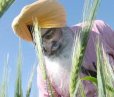
A move by farmers in developing countries to ecological agriculture, away from chemical fertilisers and pesticides, could double food production within a decade, a UN report says. Insect-trapping plants in Kenya and ducks eating weeds in Bangladesh's rice paddies are among examples of recommendations for feeding the world's 7 billion people....
THE 25 crore man stepped in like a thief, eyes wary, searching for a sign that he must run. Jagbeer Singh. Farmer. Bus conductor. Father. Heroin smuggler. Jailbird. Nobody.
The station is constantly experimenting with new strains of seeds and fertilizers to see what works best in the region‘s climate, and to introduce producers to new crops and techniques.
Post-Green Revolution crisis - India’s decision to change some of its agricultural policies.
With just 1.5 per cent of India's land area, Punjab produces 20 per cent of the country's wheat and 12 per cent of its rice.
Now, Mongolia wants the services of Punjab farmers for attaining self-sufficiency in food.
Subscribe to RSS - agriculture